
The guide to concrete surfaces, “BÜ4: Surfaces of Concrete Structures,” developed under the leadership of the Estonian Concrete Association, provides recommendations for quality agreements and offers inspiration, showcasing the architectural solutions that can be achieved with concrete today. Maru Betoonitööd contributed both to the content and by providing photographs of its projects.
According to Taavi Varbi, head of Maru Concrete Works, who participated in drafting the guidelines, the impetus for creating the new guidelines came from a practical need that had already become clear in 2018 during the construction of the new building for the Estonian Academy of Arts, as the existing guidelines, dating from 2010, no longer corresponded to modern construction site practices. The guidelines at that time were essentially a direct translation of Finnish-language material, which in turn was based on outdated source materials. Varb noted that Estonia actually has even more experience than Finland today, as well as a wider selection of beautifully exposed concrete surfaces.
Quality is a matter of agreement
The working group, which had been active for three years—and included representatives from concrete construction companies, technical supervision agencies, designers, formwork suppliers, and other stakeholders — reached a consensus that the quality of concrete surfaces is not an absolute value, but rather a matter of agreement.
The guiding principle of the guidelines is the understanding that it is no longer possible or reasonable to apply a uniform and universal Class A or Class B standard today. Quality is defined by the satisfaction of the client and the architect, and the BÜ4 guidelines are intended to serve as a basis for defining the quality of specific concrete surfaces and for reaching clear agreements.
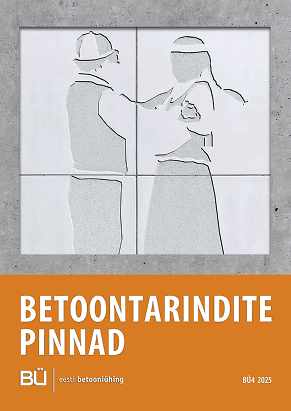
The guide is intended for all parties involved in the construction of concrete structures: clients, architects, general contractors and subcontractors, suppliers, and on-site workers. The working group also reviewed guidelines in use in Finland, Sweden, Germany, and England and found that classifying concrete surfaces is not a common international practice. The strength of the new BÜ4 guideline lies in its alignment with the actual conditions, tools, and materials found on today’s construction sites in Estonia.
Concrete as an Authentic and Honest Finishing Material
The guide makes extensive use of local projects and photographic material, and essentially serves as a practical product catalog for architects, clients, general contractors, and concrete contractors. Instead of vague quality classes, readers can refer to specific examples of projects completed in Estonia.
- Several outstanding examples of concrete architecture are featured
- Including Rocca al Mare Private School
- The white concrete bar counter at the Ülemiste Hotel
- The Metropoli Hotel, which features red concrete
- The TTP building in Pirita and the Estonian Academy of Arts building
- Several apartment buildings and single-family homes.
Concrete is a building material manufactured and installed by humans from natural raw materials; therefore, certain deviations from the absolute ideal are inevitable and are precisely what give concrete surfaces their authentic character. “While exposed concrete surfaces are often over-finished in international practice, in Estonia we have been bold enough to use concrete both as a structuralas well as a finishing material—and it is precisely this approach that the new BÜ4 guideline thoroughly explores,” said Taavi Varb. The Estonian Academy of Arts building (Concrete Building of the Year 2018) is a fine example of Estonian concrete architecture, with the monolithic concrete and precast work carried out by Maru Betoonitööd:
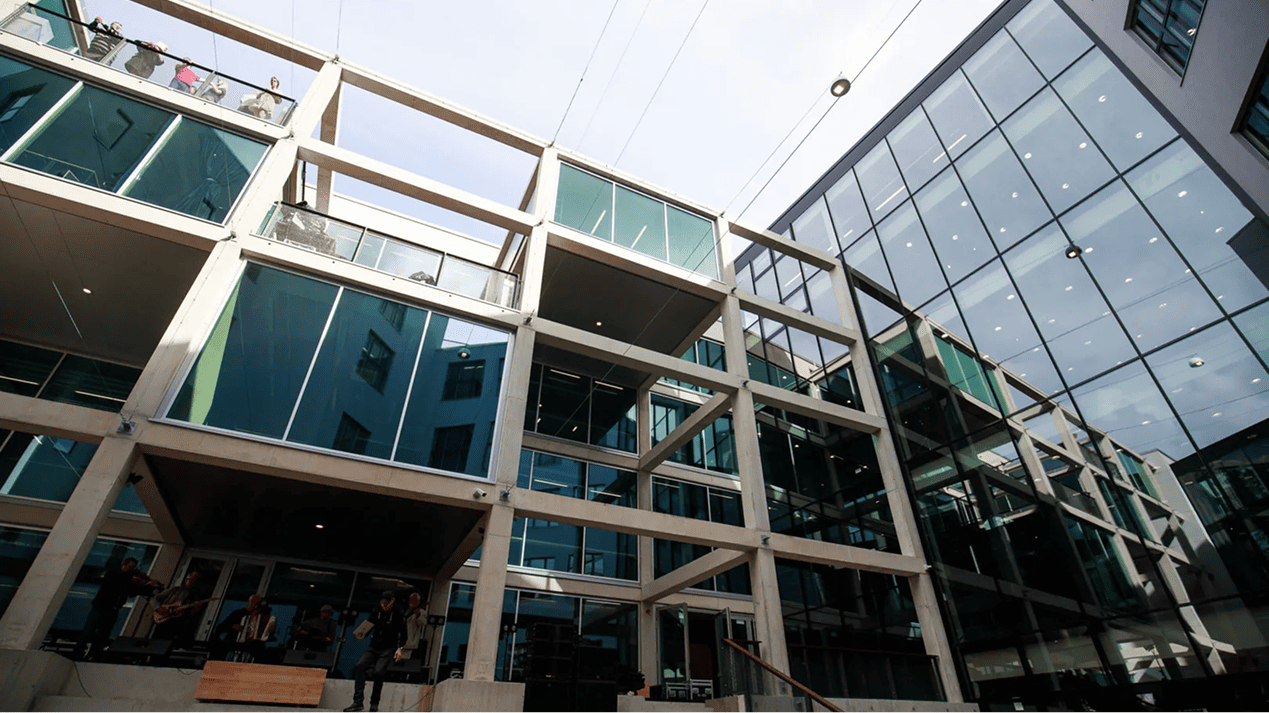 Photo: Siim Lõvi, ERR
The guide is intended for all parties involved in the construction of concrete structures: clients, architects, general contractors and subcontractors, suppliers, and on-site workers. The working group also reviewed guidelines in use in Finland, Sweden, Germany, and England and found that classifying concrete surfaces is not a common international practice. The strength of the new BÜ4 guideline lies in its alignment with the actual conditions, tools, and materials found on today’s construction sites in Estonia.
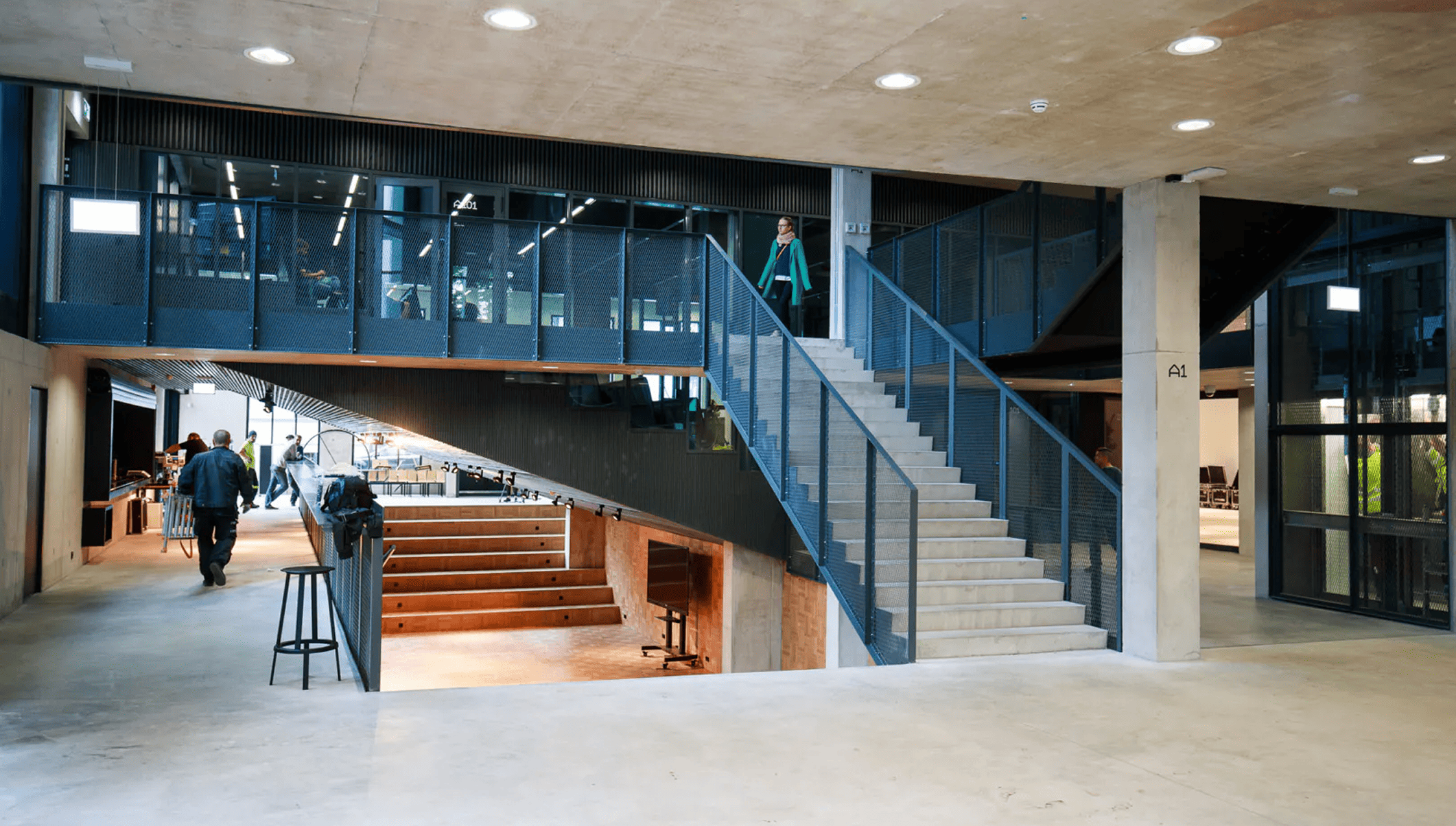
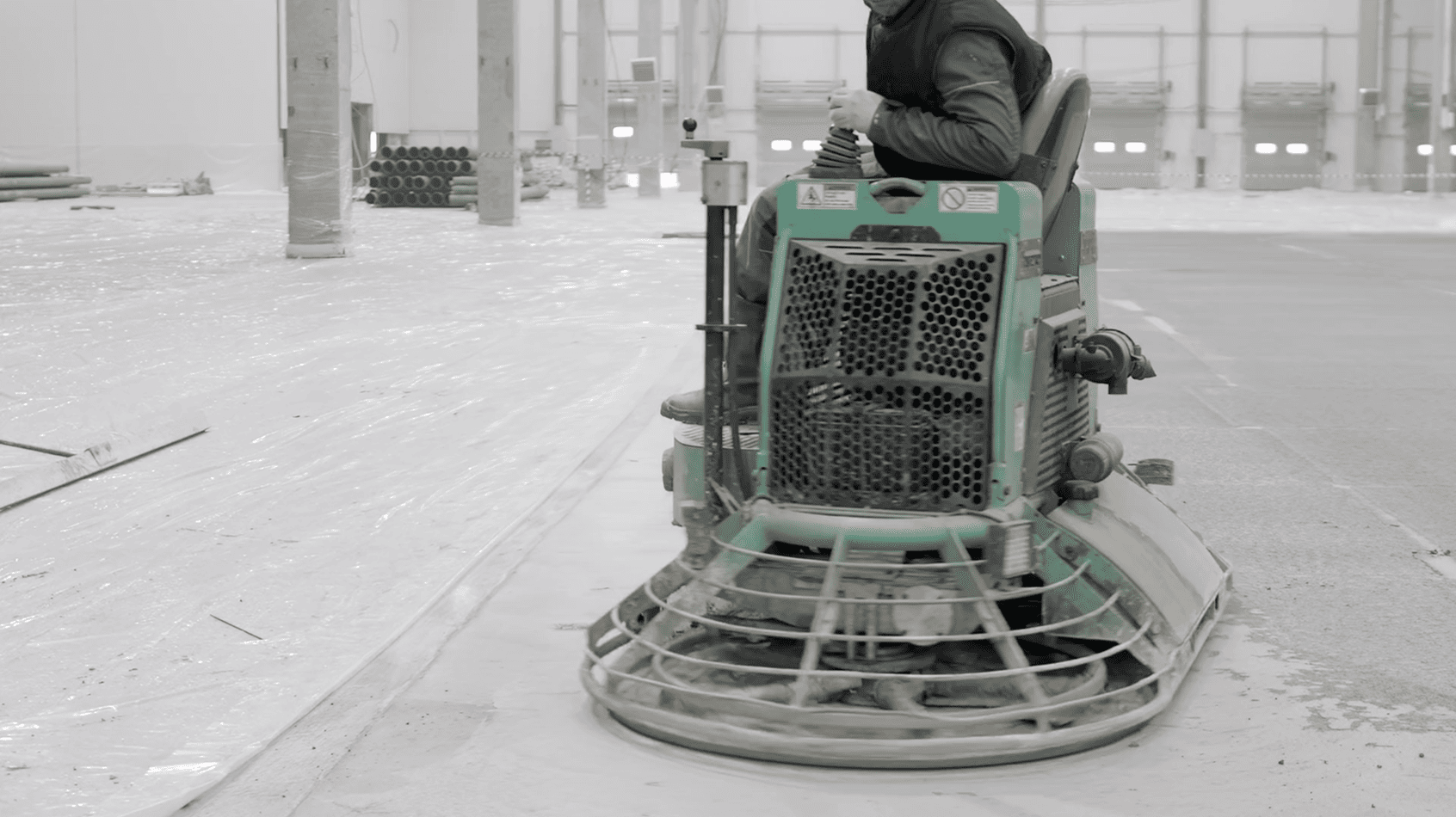
The guide is intended for all parties involved in the construction of concrete structures: clients, architects, general contractors and subcontractors, suppliers, and on-site workers. The working group also reviewed guidelines in use in Finland, Sweden, Germany, and England and found that classifying concrete surfaces is not a common international practice. The strength of the new BÜ4 guideline lies in its alignment with the actual conditions, tools, and materials found on today’s construction sites in Estonia.
The guide is intended for all parties involved in the construction of concrete structures: clients, architects, general contractors and subcontractors, suppliers, and on-site workers. The working group also reviewed guidelines in use in Finland, Sweden, Germany, and England and found that classifying concrete surfaces is not a common international practice. The strength of the new BÜ4 guideline lies in its alignment with the actual conditions, tools, and materials found on today’s construction sites in Estonia.