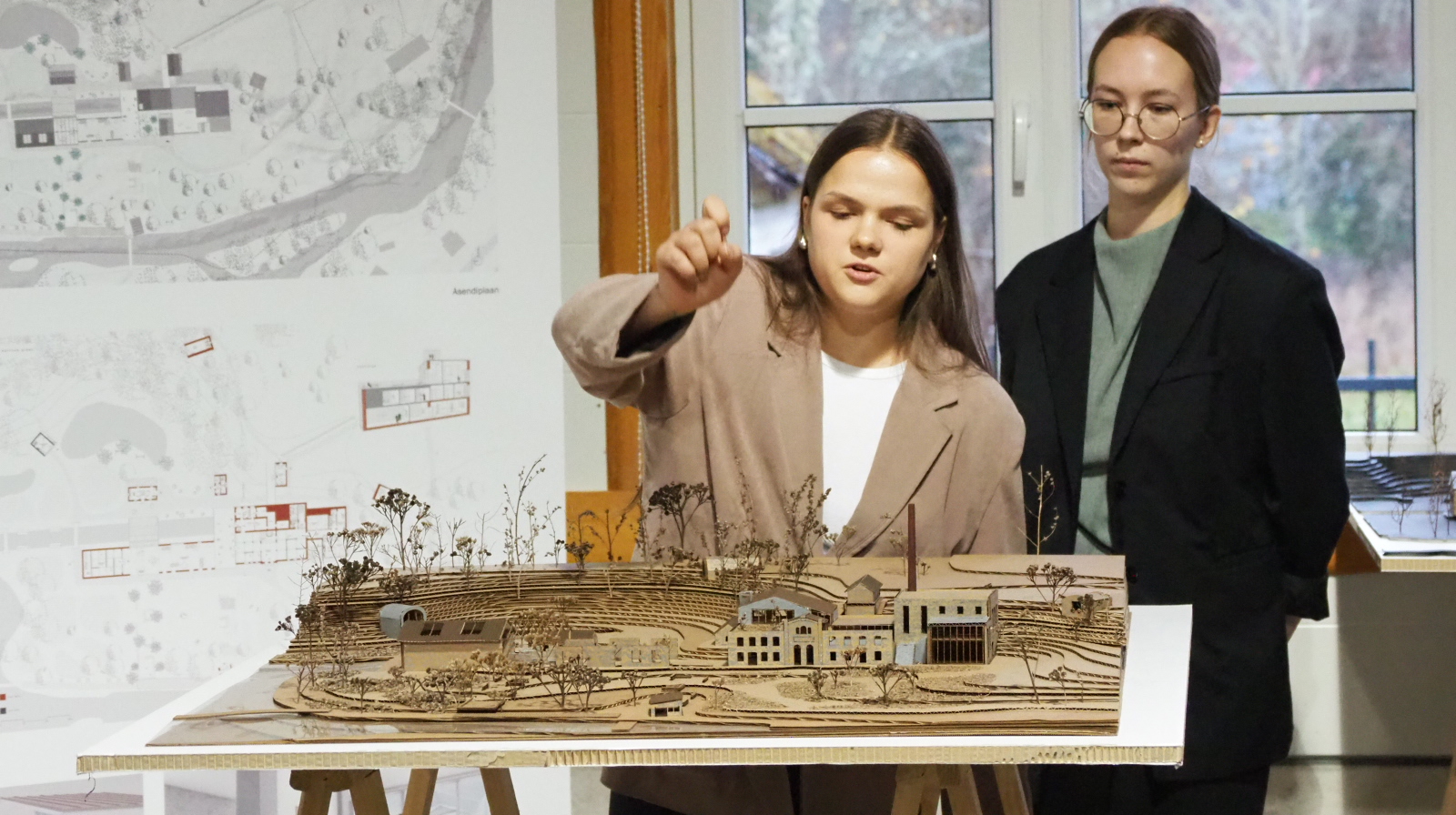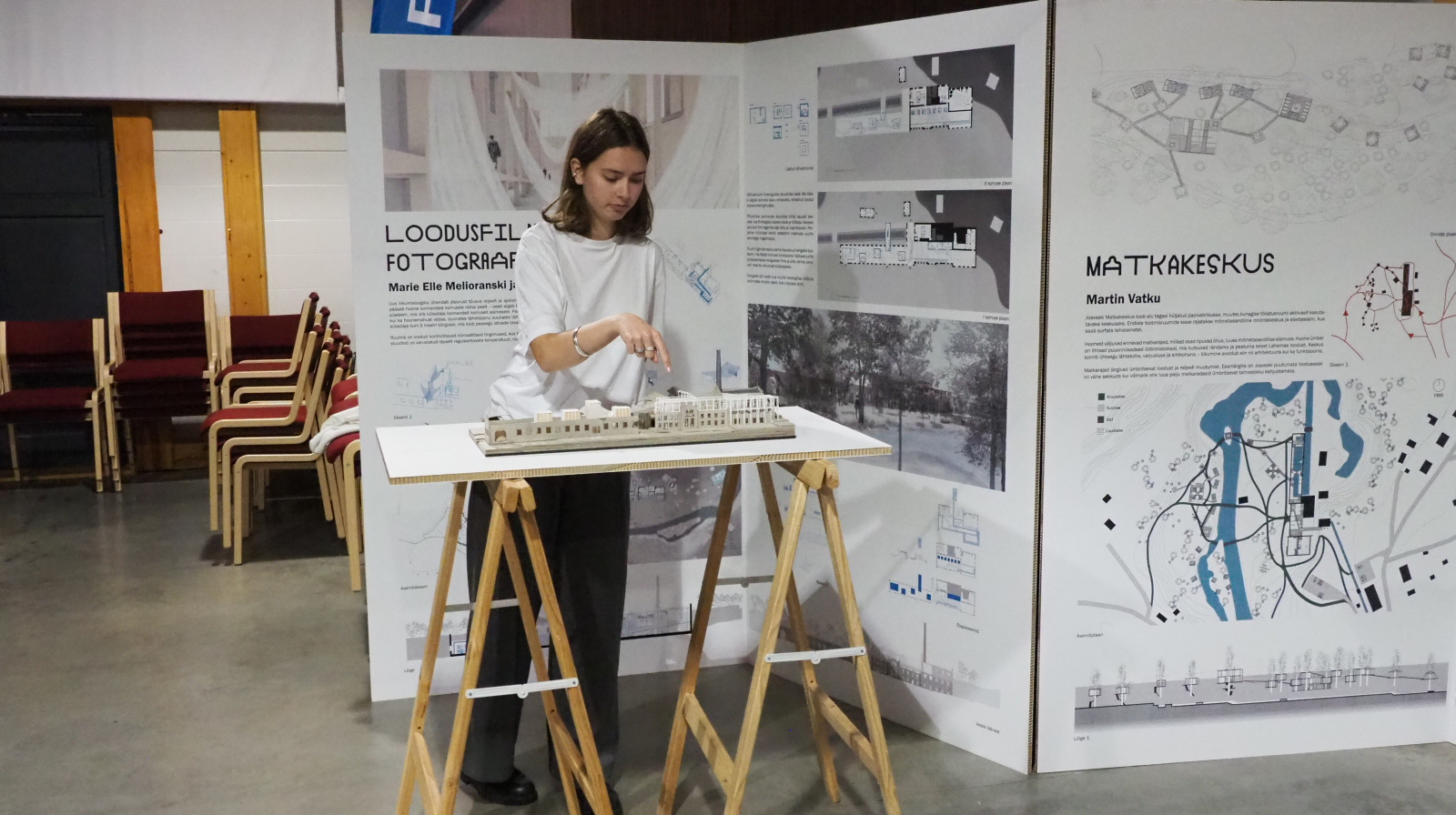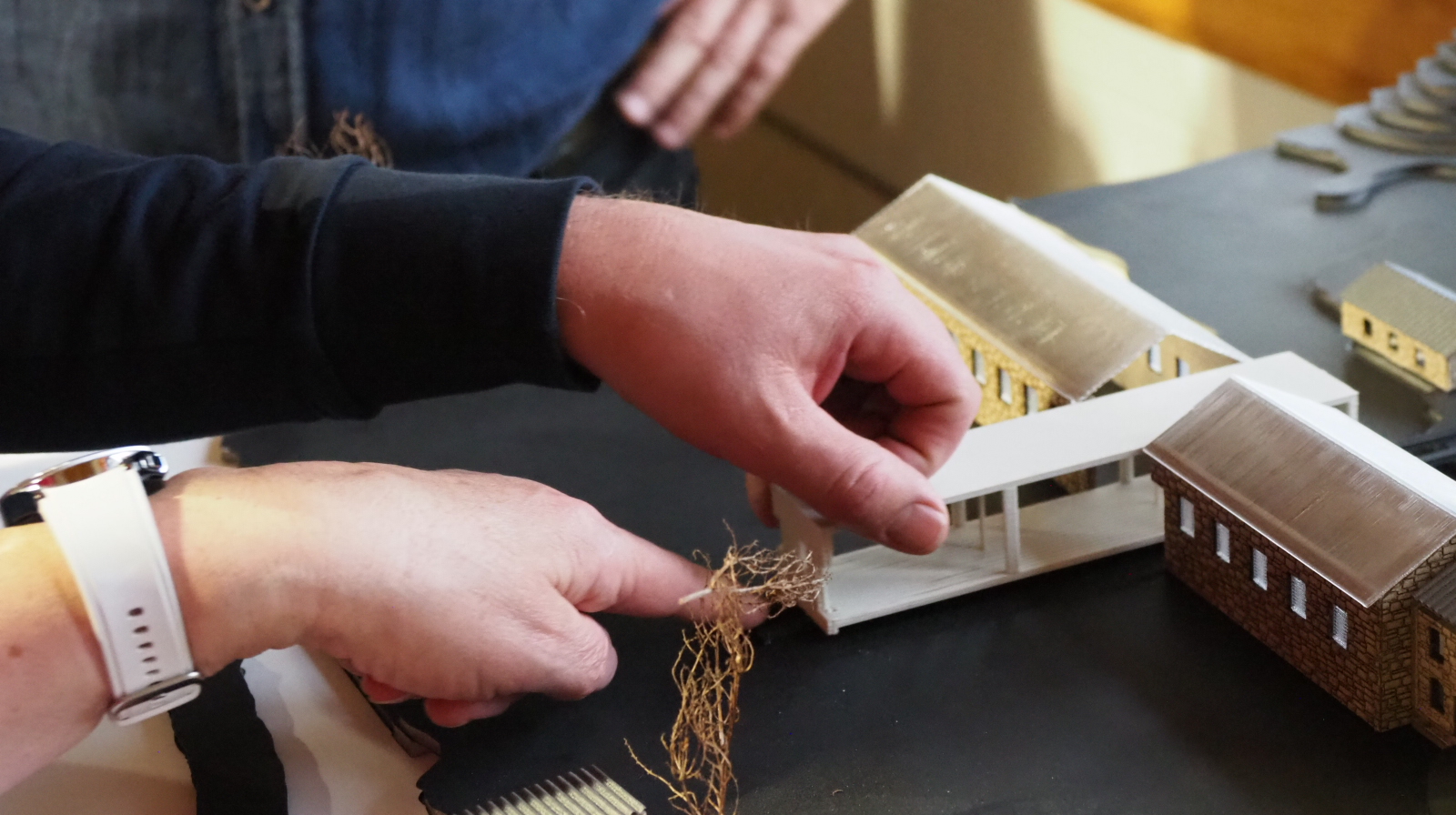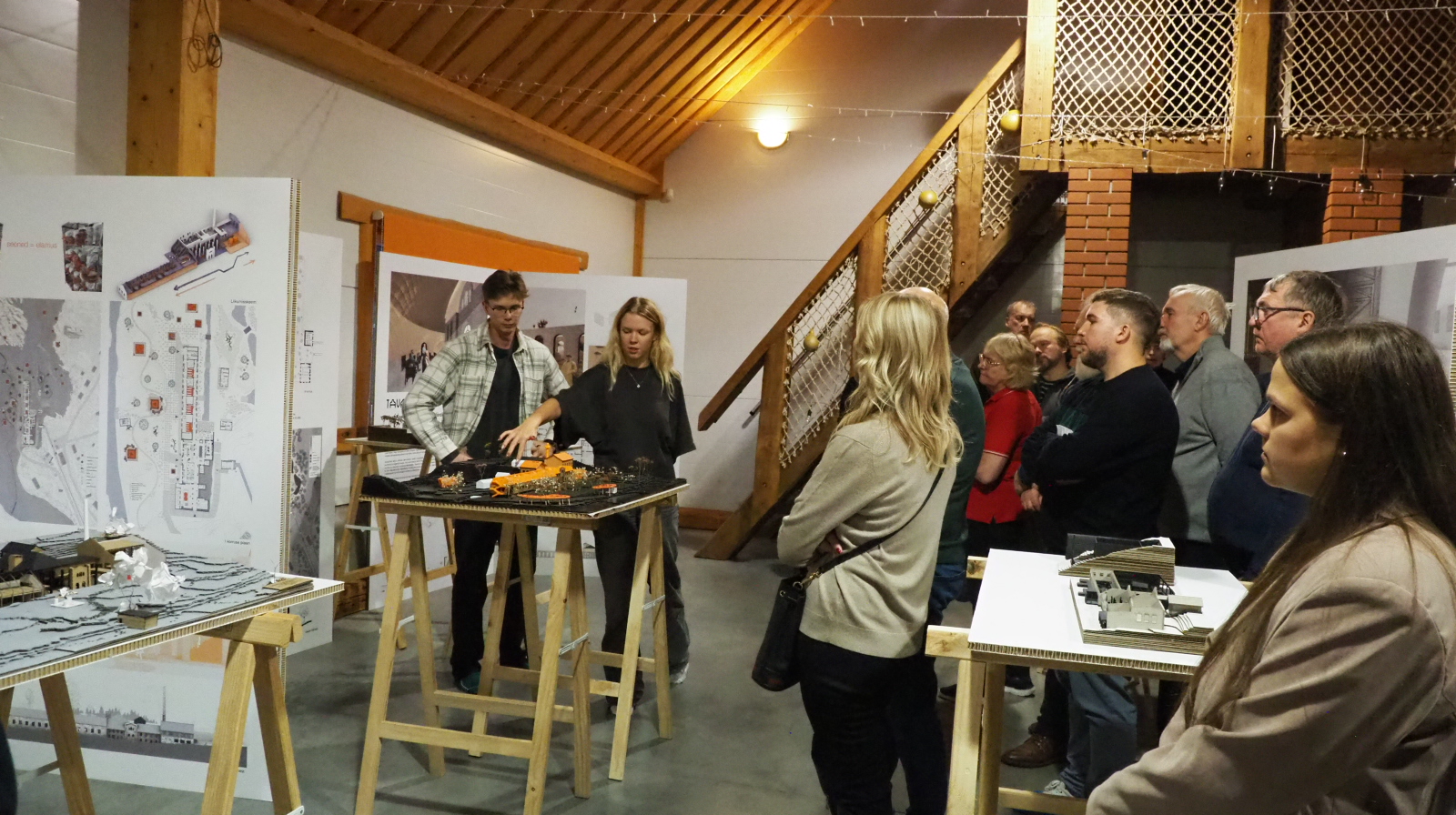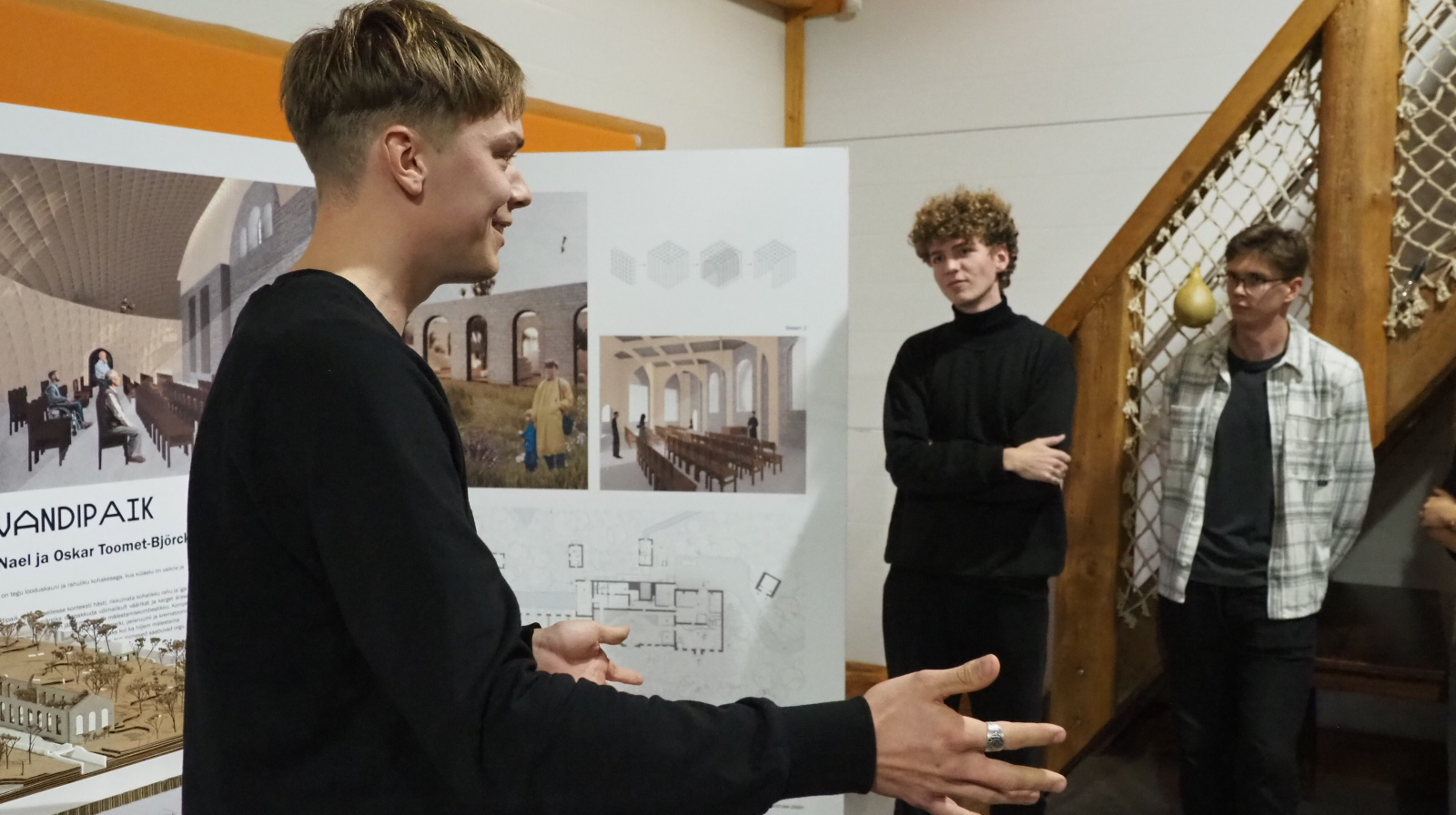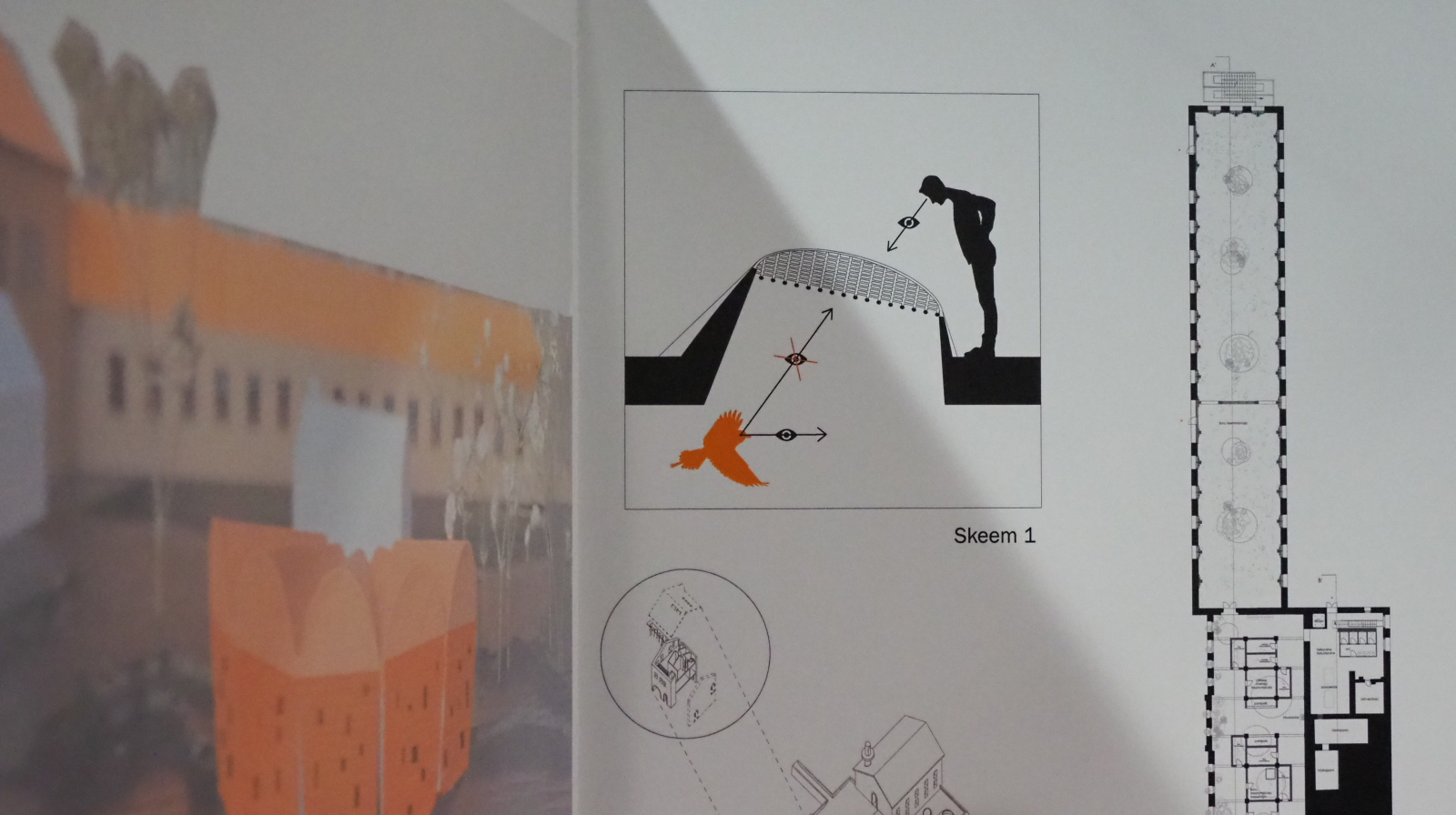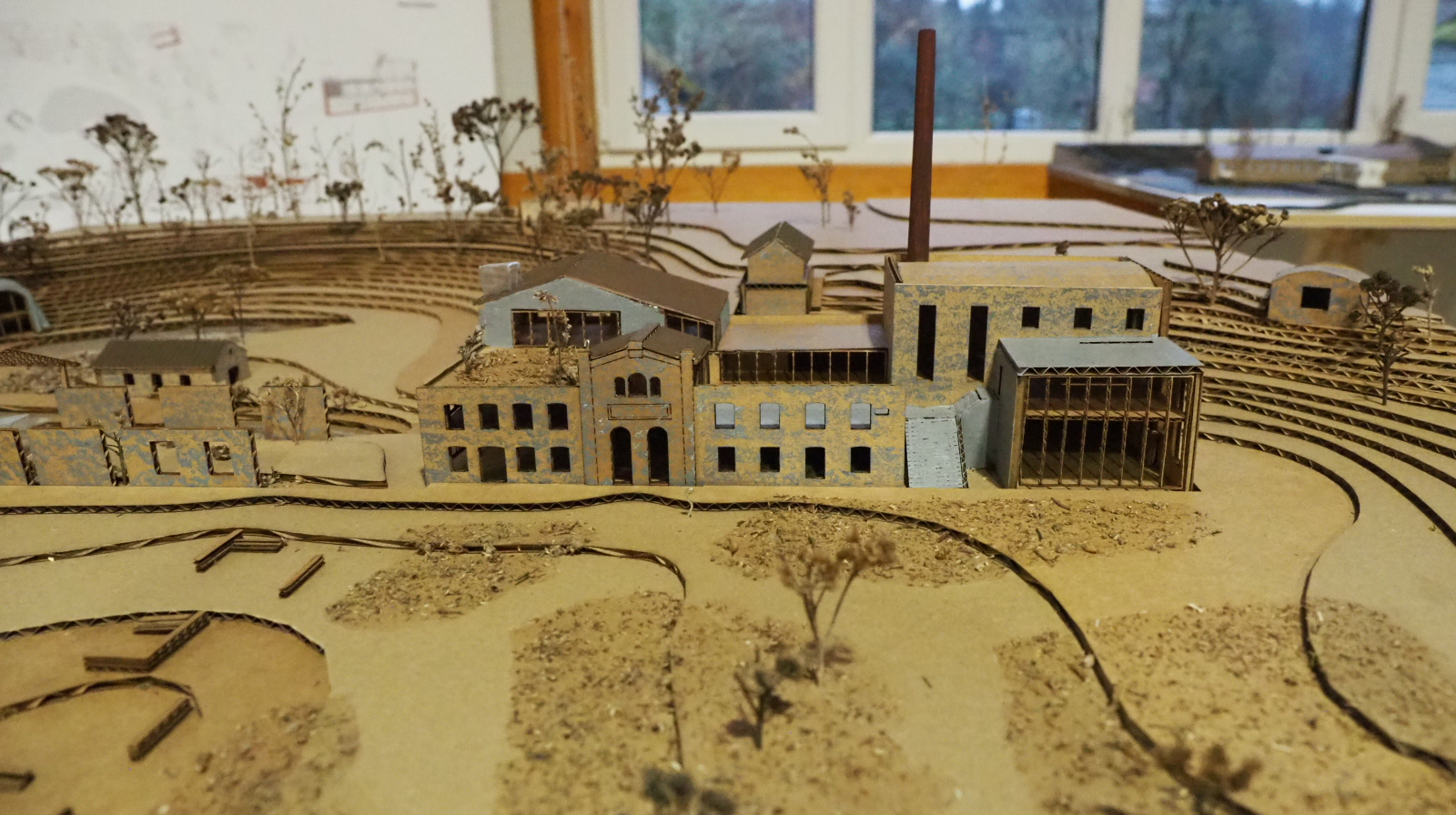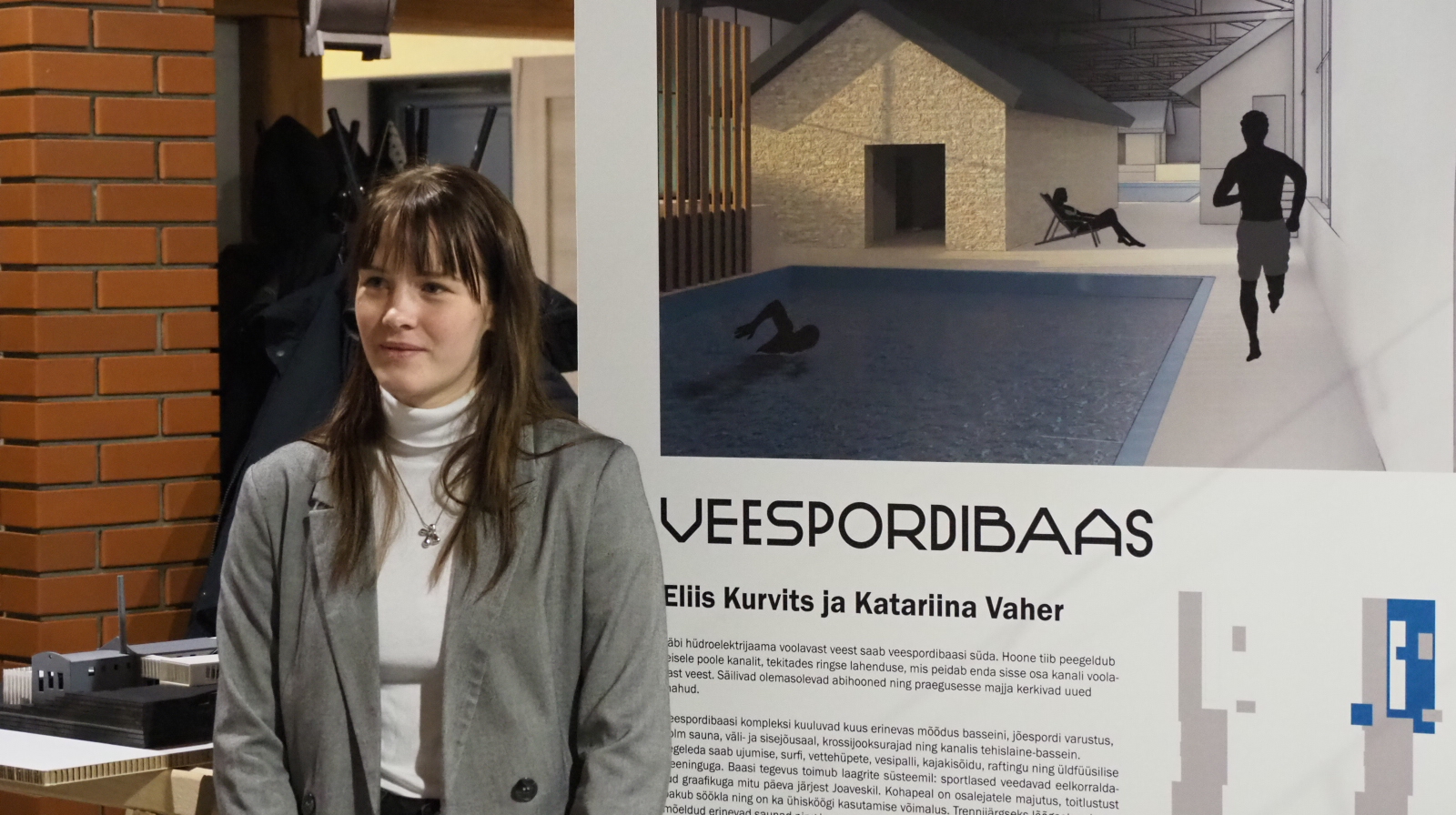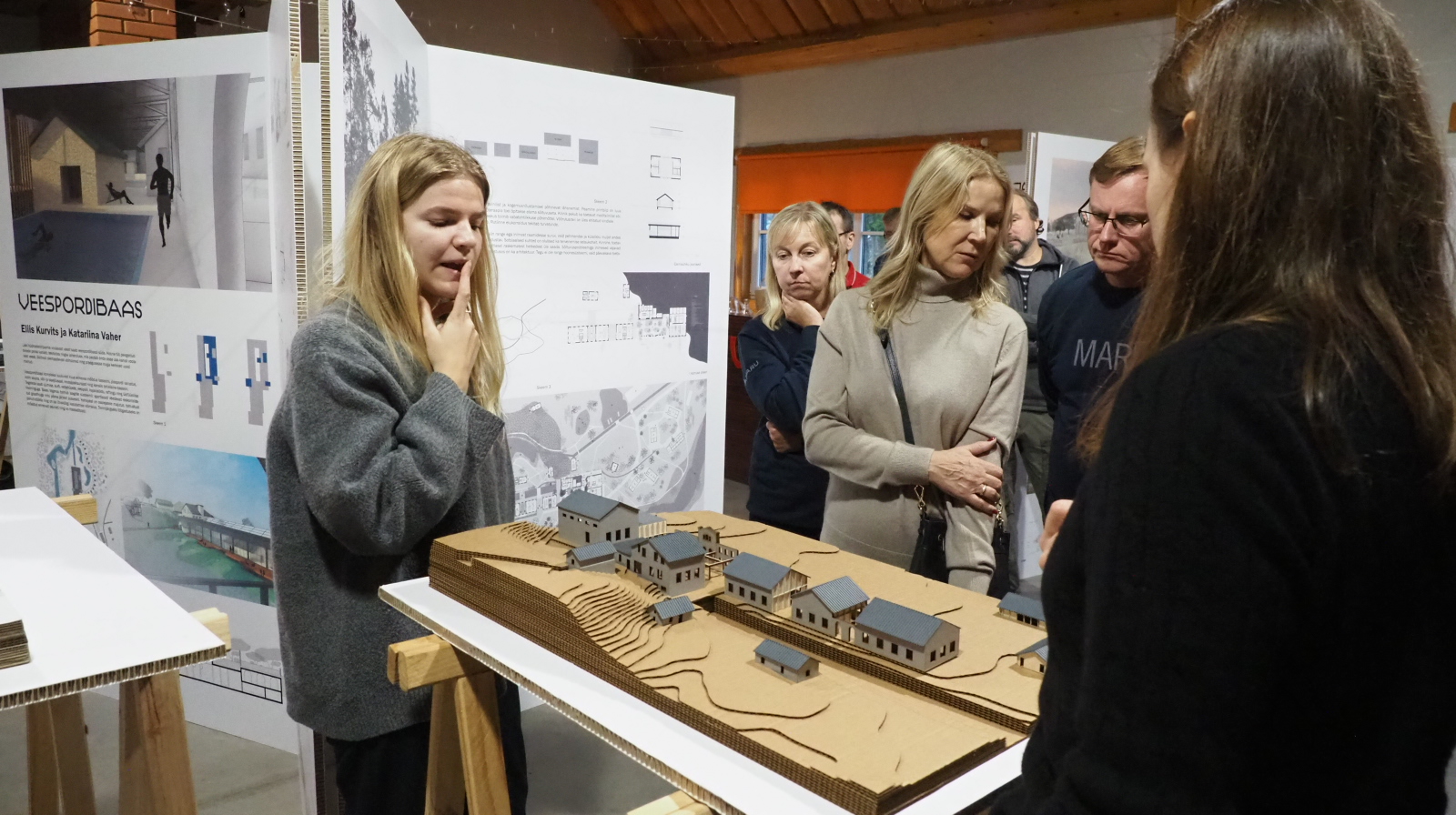
On Friday, October 31, an exhibition titled “Abandoned Landscapes. The Joaveski Paper Mill,” which showcases EKA students’ visions for breathing new life into the historic factory complex. The exhibition of scale models will remain open at Joaveski until the end of March 2026.
Third-year students in the specialized studio of the EKA Architecture and Urban Planning program spent a week last spring semester in snowy Joaveski. This workshop resulted in ten extensive projects, in which 20 students mapped out the location’s potential to become a valued service provider.
“In this way, we consider both the value of the property and its potential: how much we need to build anew, and how much of the old we can preserve. Since we’re dealing with old buildings, LCA (life cycle assessment) methods have also been taken into account; otherwise, the students are free to pursue their own visions. This is their statement and understanding of the world,” said Andres Ojari, the instructor of the EKA specialized studio.
Inspired by nature
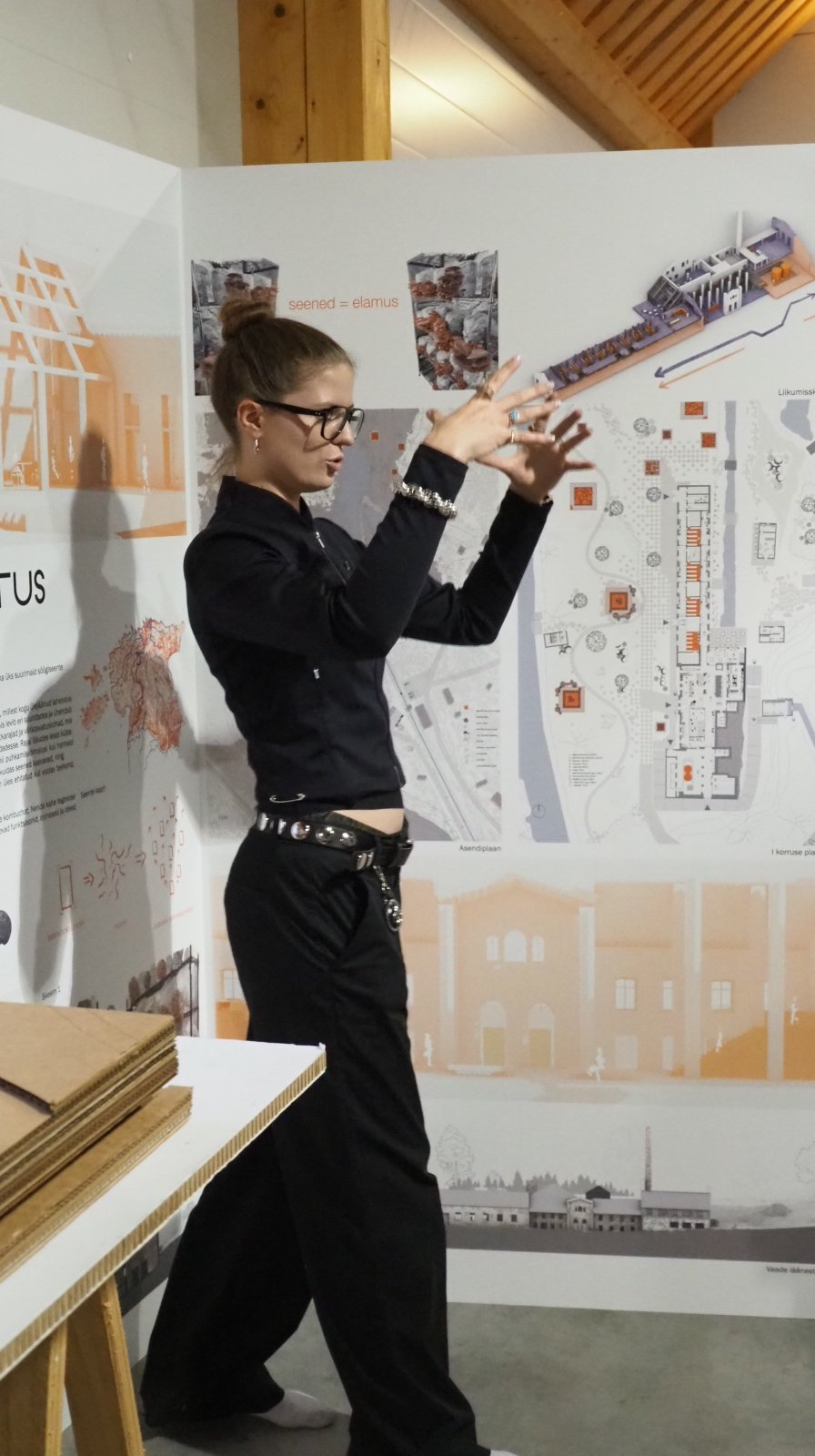
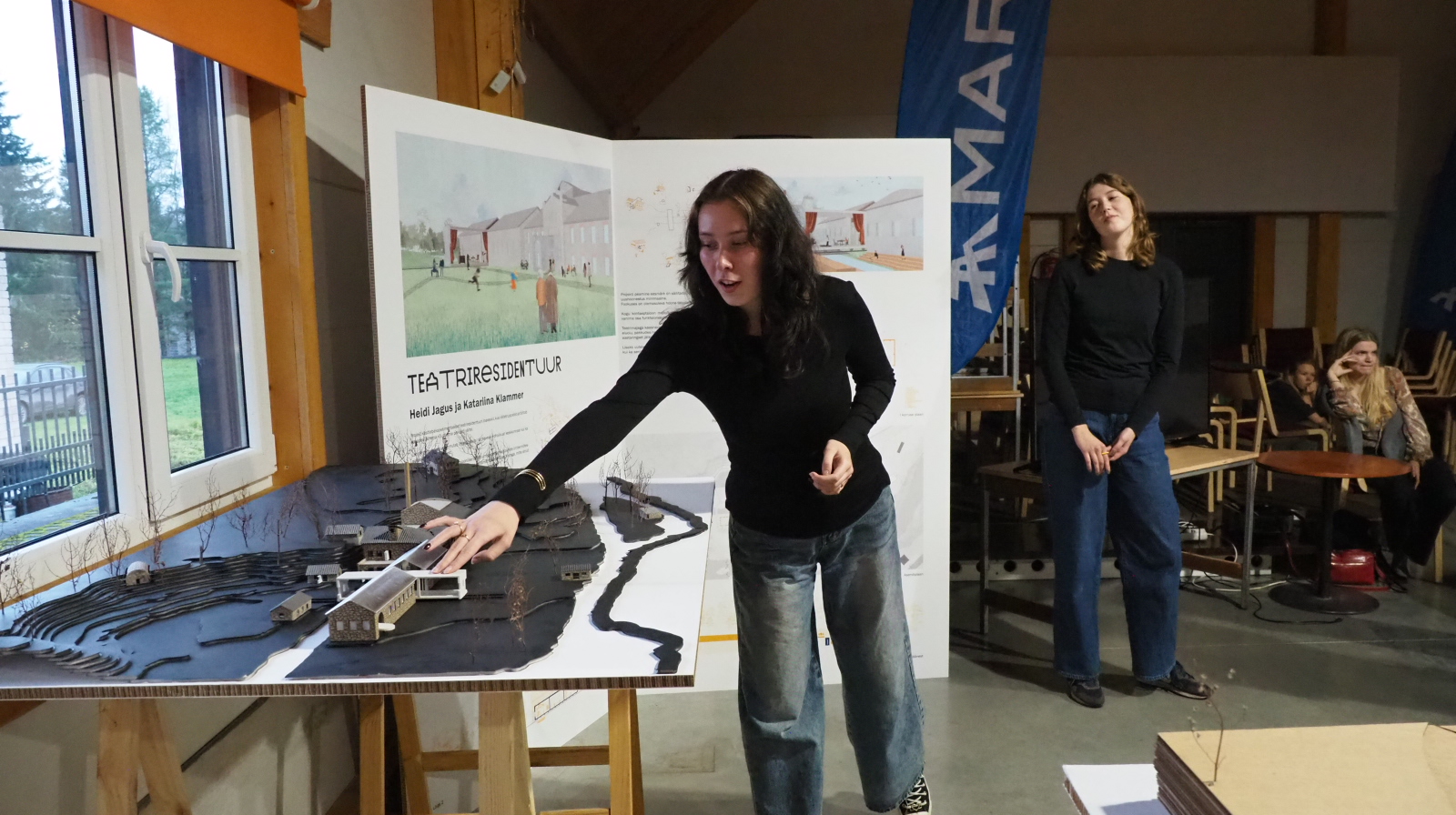
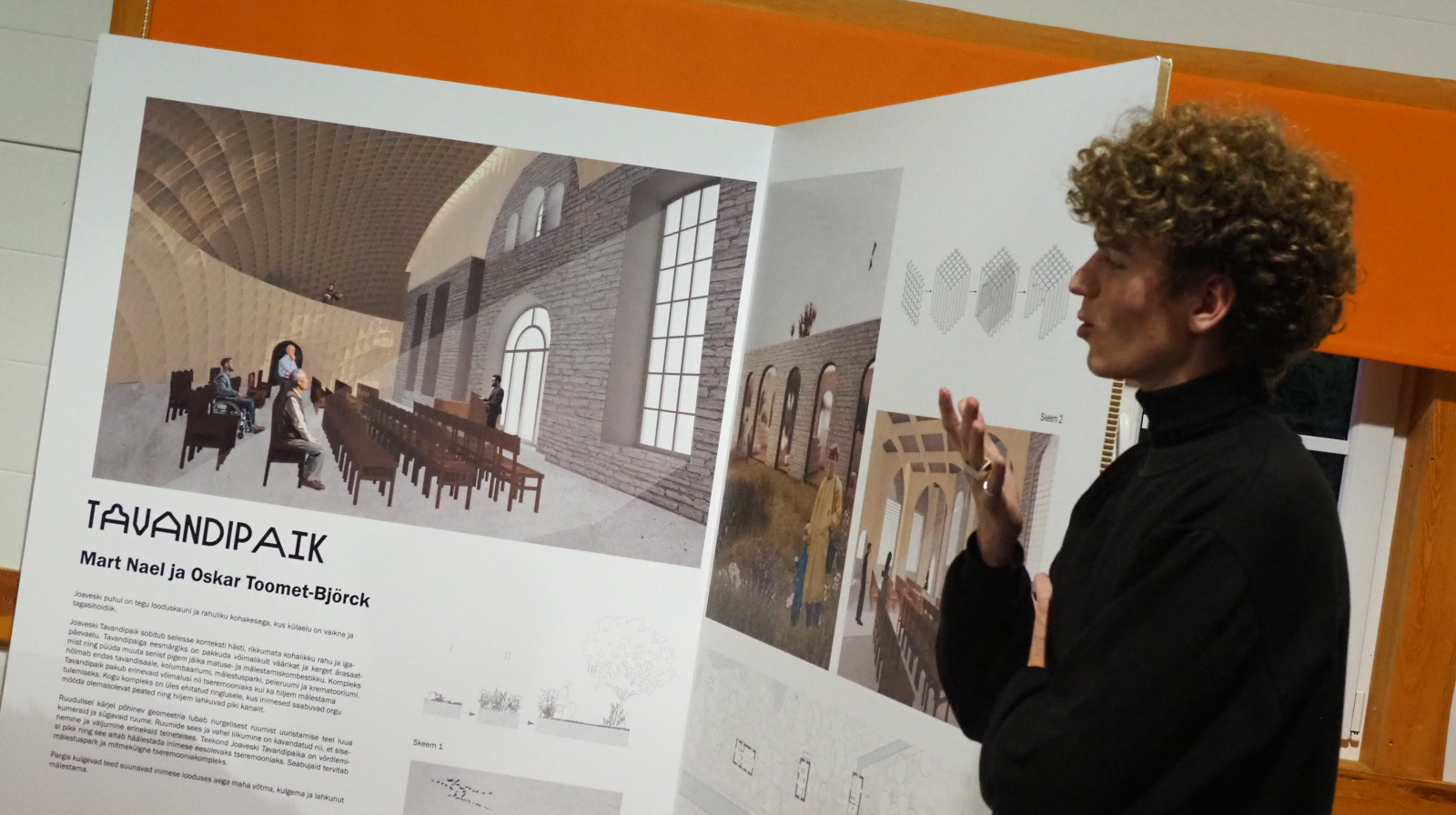
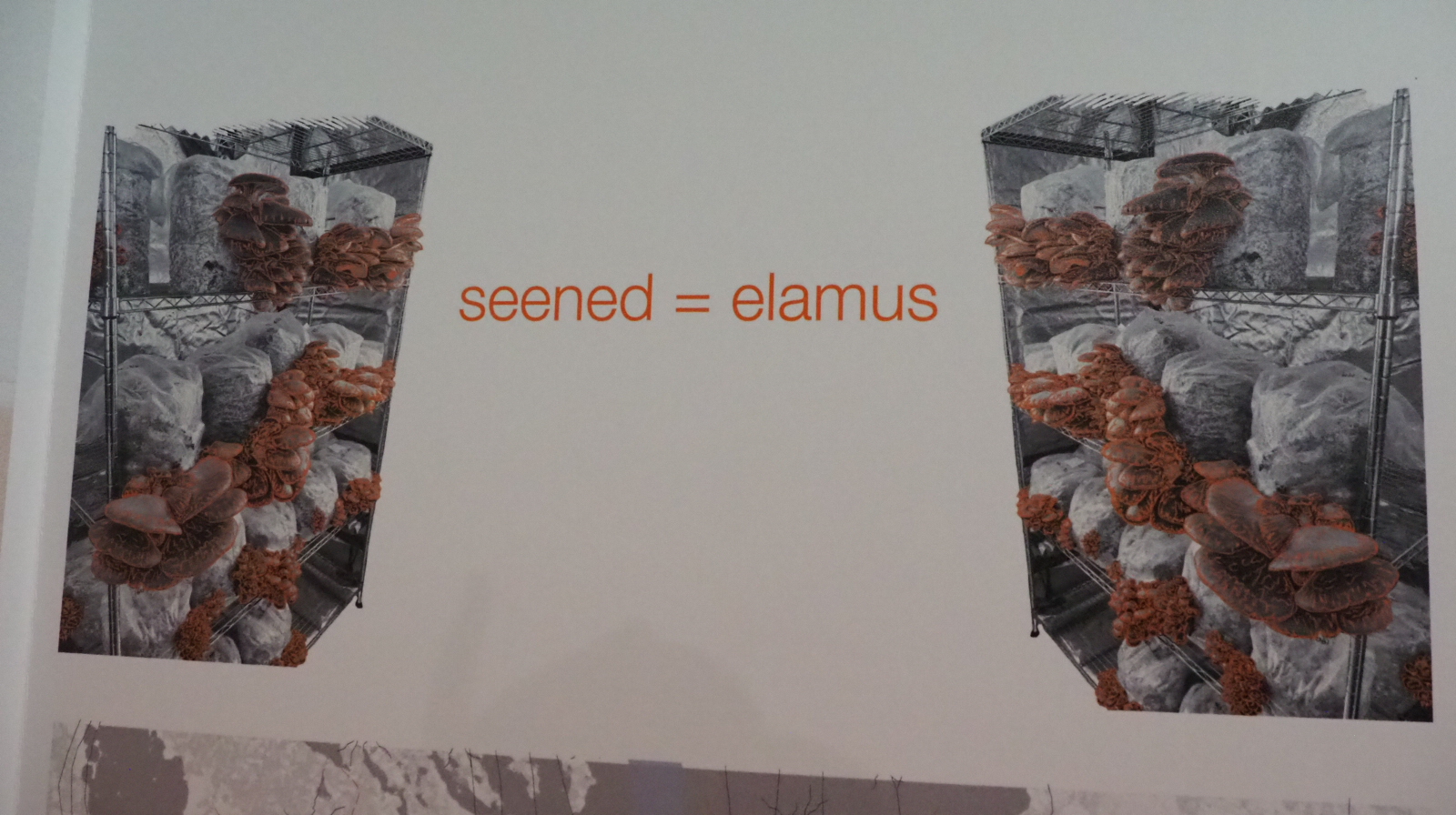
Many projects highlighted Joaveski’s value as a beautiful, peaceful place that is not far from the capital. Among the projects were a rehabilitation village for addicts inspired by Lootuse Village, an artists’ retreat, and a theater residency with a theater hall designed to seat 200 people. Visions that were particularly closely tied to nature included a nature film and photography center in Joaveski, a natural heritage center housing the Lahemaa Archive, and a clinic for wild animals and birds. The hiking center, which would operate largely under the open sky, appeared to require the smallest investment; where the surrounding hiking trails would converge and which would also feature an indoor surfing pool and a climbing area for adventure sports enthusiasts. New forms of entrepreneurship would be enabled by a water sports center, a mushroom farm, and a unique ceremonial site—a serene place for bidding farewell to and commemorating the departed.
Katariina Klammer, a student of architecture and urban planning at the Estonian Academy of Arts (EKA) and co-author of the theater residency model, noted that this was her first time working with historic architectural heritage. “It gave me a lot to think about and experiment with in terms of what to preserve and what to break away from in heritage,” said Klammer, who added that Joaveski’s history and natural surroundings added a lot to the project. The “Abandoned Landscapes” initiative gave Klammer a strong push to consider specializing in restoration and heritage conservation at the Estonian Academy of Arts (EKA), which is an option alongside urban planning and landscape architecture.
Revitalization of Old Industrial Complexes
The studio project “Abandoned Landscapes” focuses on exploring the relationship between architecture and the environment, taking as its starting point the historic industrial landscape and its potential in today’s urban environment. Earlier this year, the Faculty of Architecture and the Department of Heritage Protection and Conservation at the Estonian Academy of Arts organized the 14th edition of a workshop aimed at finding contemporary solutions for disused building complexes. Previous projects within this framework have focused, for example, on the Peri collective farm center, Kodijärve Manor, the Tapa railway station, and the industrial areas of Kiviõli, Sindi, and Kohtla-Järve.
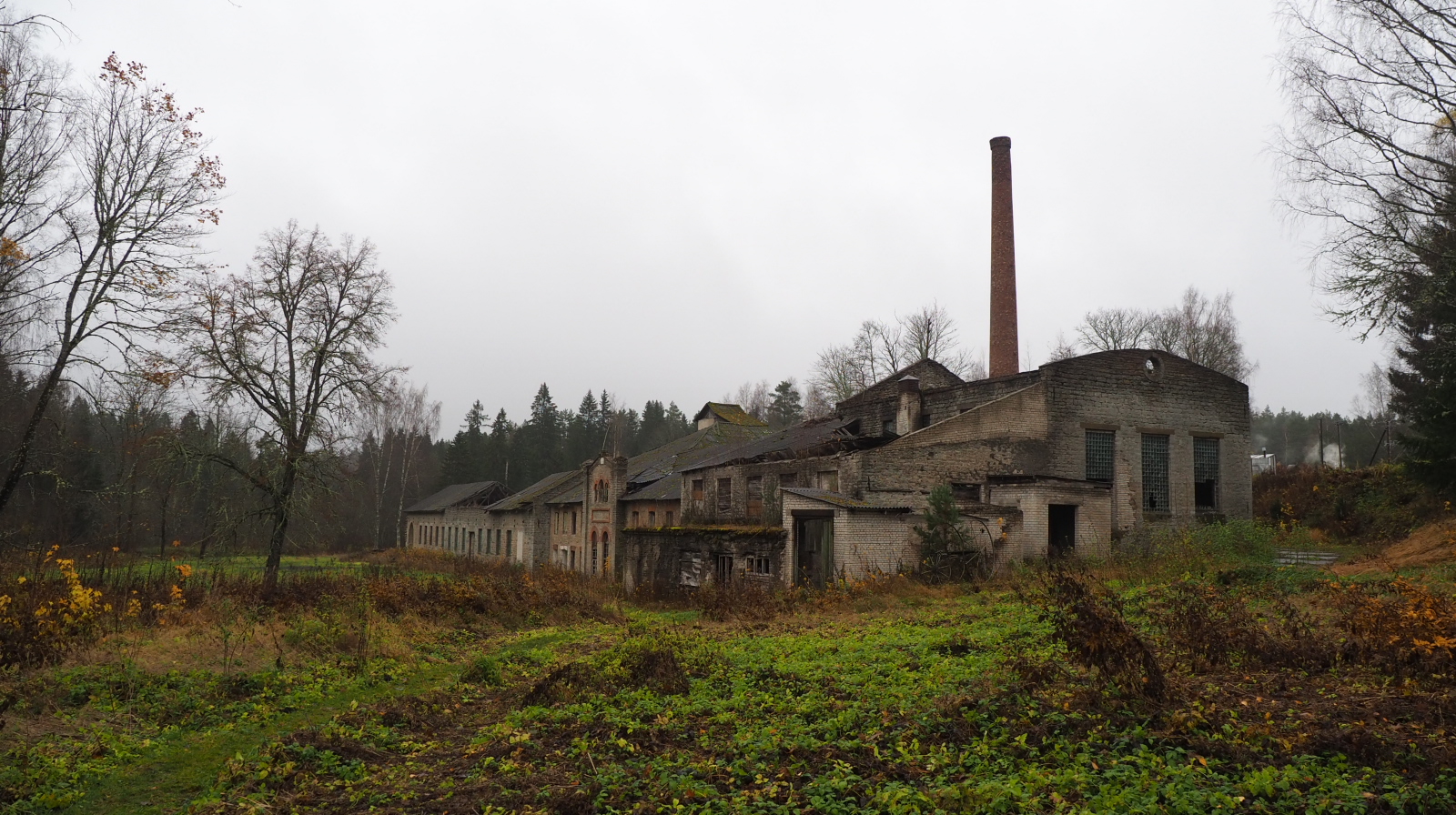
The buildings of the paper mill established in Joaveski in the late 19th century have stood empty since 1994, when the production of stamp albums ceased there. A few years later, AS Maru purchased the Joaveski factory, along with the manager’s house and several outbuildings, and in 2001 launched a hydroelectric power plant there that remains in operation today. However, despite the need for investment and environmental restrictions, most of the building complex is still searching for a new purpose.
COME VISIT! The exhibition will remain open at the Joaveski Community Center during library hours until April 1, 2026: Mondays and Fridays from 9:00 a.m. to 4:00 p.m. and Wednesdays from 11:00 a.m. to 3:00 p.m. The exhibition is supported by the Joaveski Village NGO and Maru, Inc.