News
Estonian concrete experts develop a practical industry guide
22.01.2026Under the leadership of the Estonian Concrete Association, a new guide titled „BÜ4: Surfaces of Concrete Structures” has been released. The manual provides recommendations for quality agreements and offers inspiration by showcasing modern architectural solutions achievable with concrete. Maru Betoonitööd contributed significantly to the guide with both technical expertise and project photography.
According to Taavi Varb, CEO of Maru Betoonitööd and a member of the working group, the update was driven by practical necessity. The need for such a guide became clear during the construction of the new Estonian Academy of Arts (EKA) building in 2018, as the previous 2010 guide no longer reflected modern construction site practices. The former guide was essentially a direct translation of Finnish materials based on outdated sources. Varb noted that today, Estonia actually possesses more experience and a wider variety of high-quality exposed concrete surfaces than Finland.
The working group – which operated for three years and included representatives from concrete contractors, technical supervisors, designers, and suppliers – reached the following common understanding: the quality of a concrete surface is not an absolute value, but a matter of agreement. The core philosophy 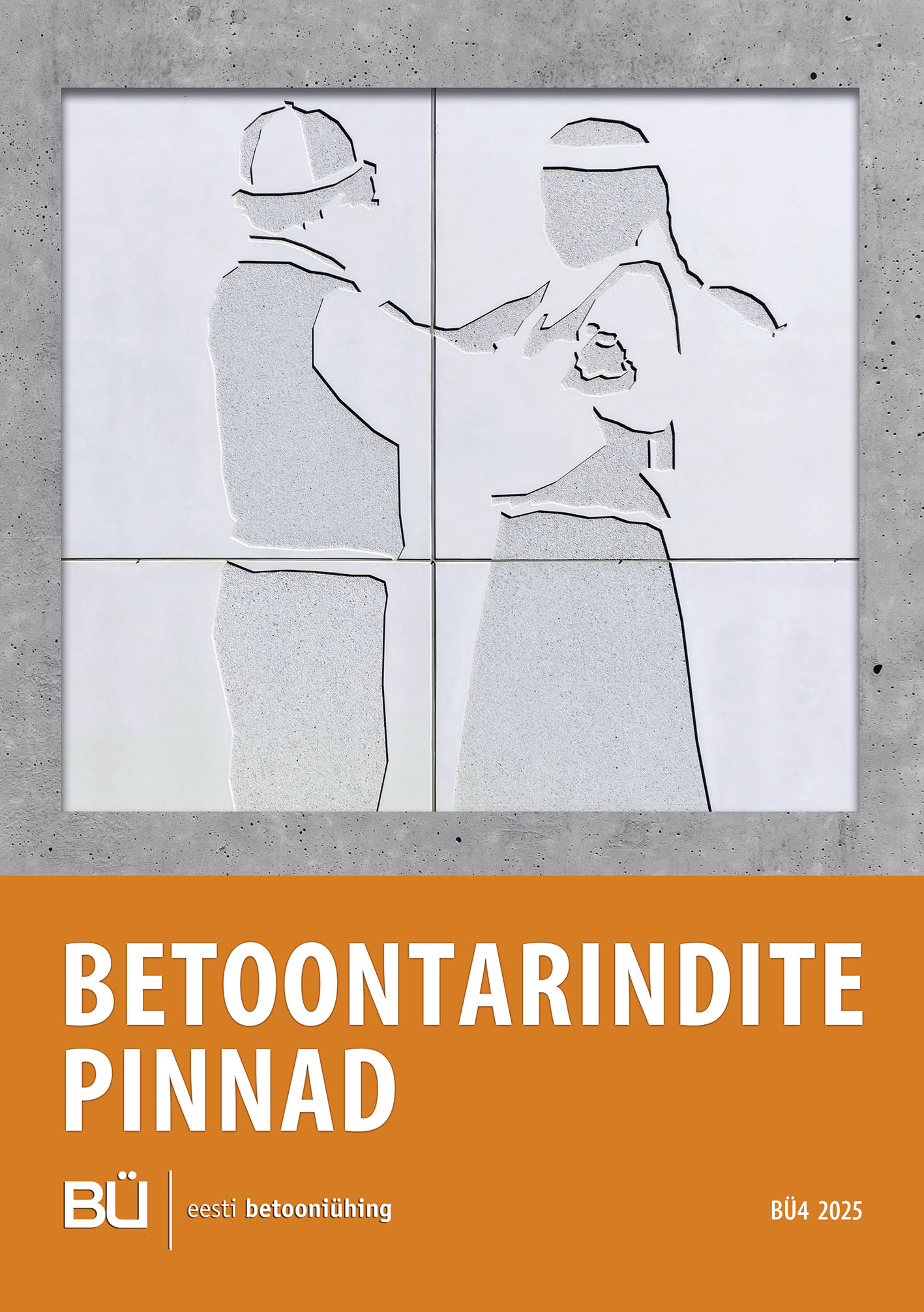 of the guide is that applying a universal A- or B-class standard is no longer feasible or reasonable in modern construction. Rather, quality is defined by the satisfaction of the client and the architect. The BÜ4 guide serves as the foundation for defining specific quality requirements and establishing clear contractual agreements.
The guide is intended for all parties involved in concrete construction: clients, architects, general contractors and subcontractors, suppliers, and site workers. The working group reviewed similar guidelines used in Finland, Sweden, Germany, and the UK, discovering that rigid classification into quality classes is not a common international practice. The strength of the new BÜ4 guide lies in its alignment with the actual conditions, tools, and materials used on Estonian construction sites today.
Concrete as authentic material
Richly illustrated with local projects and photography, the guide functions as a practical product catalogue for architects, clients, and contractors. Instead of vague quality classes, stakeholders can now use examples of completed Estonian projects as a reference. Featured landmarks of concrete architecture include the Rocca al Mare Private School, the white concrete bar counter at the Ülemiste Hotel, the red concrete of the Metropol Hotel, the TTP building in Pirita, and the Estonian Academy of Arts, alongside various apartment buildings and private residences.
Taavi Varb praised the possibilities presented by concrete, as presented in the guide. As a material made and installed by humans using natural ingredients, certain deviations from “absolute perfection” are inevitable and give concrete surfaces their authentic character. “While international practice often involves over-processing exposed concrete, Estonia has been bold enough to use concrete as both a structural and a finishing material – and this is exactly the approach the new BÜ4 guide explores in detail,” said Taavi Varb.
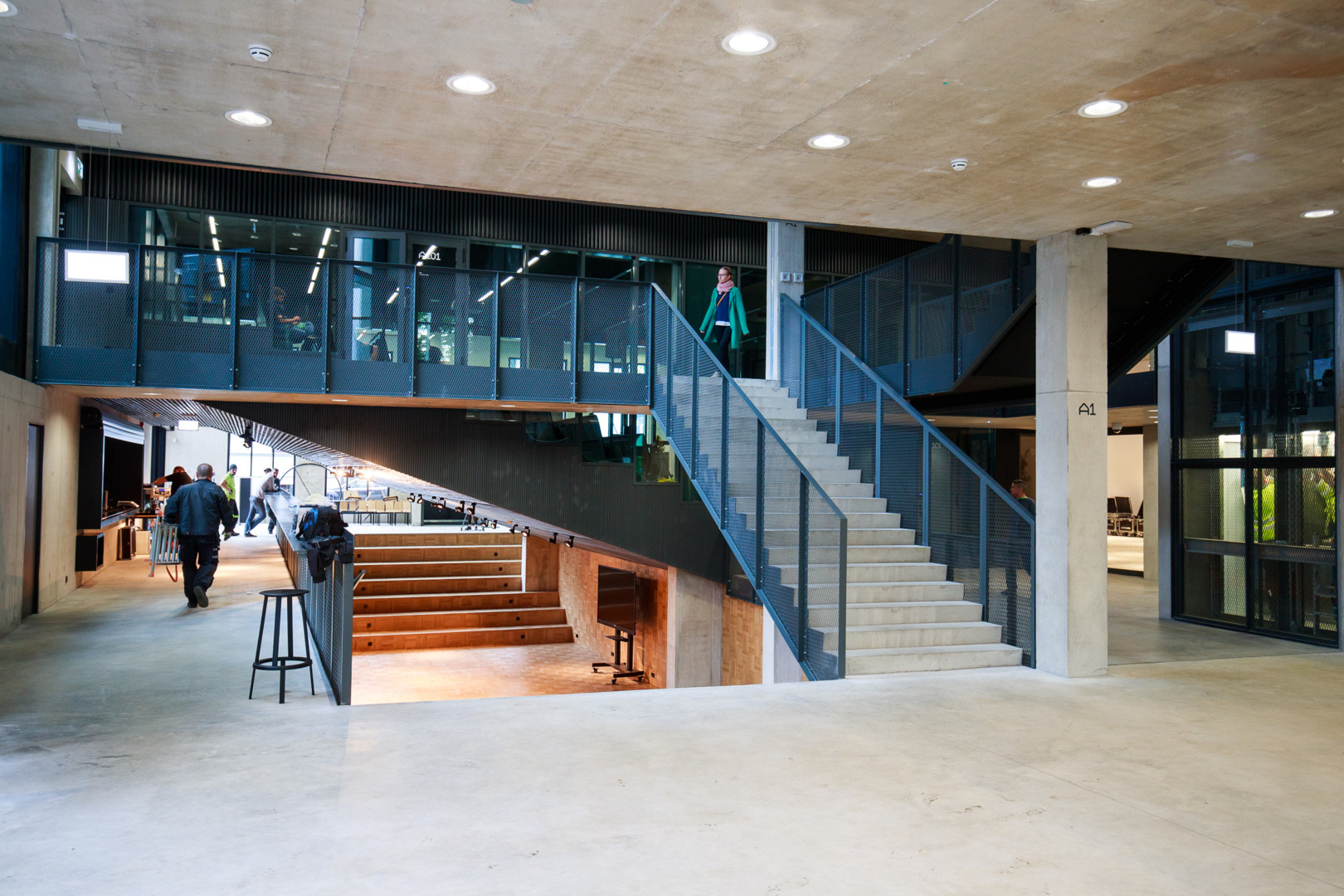
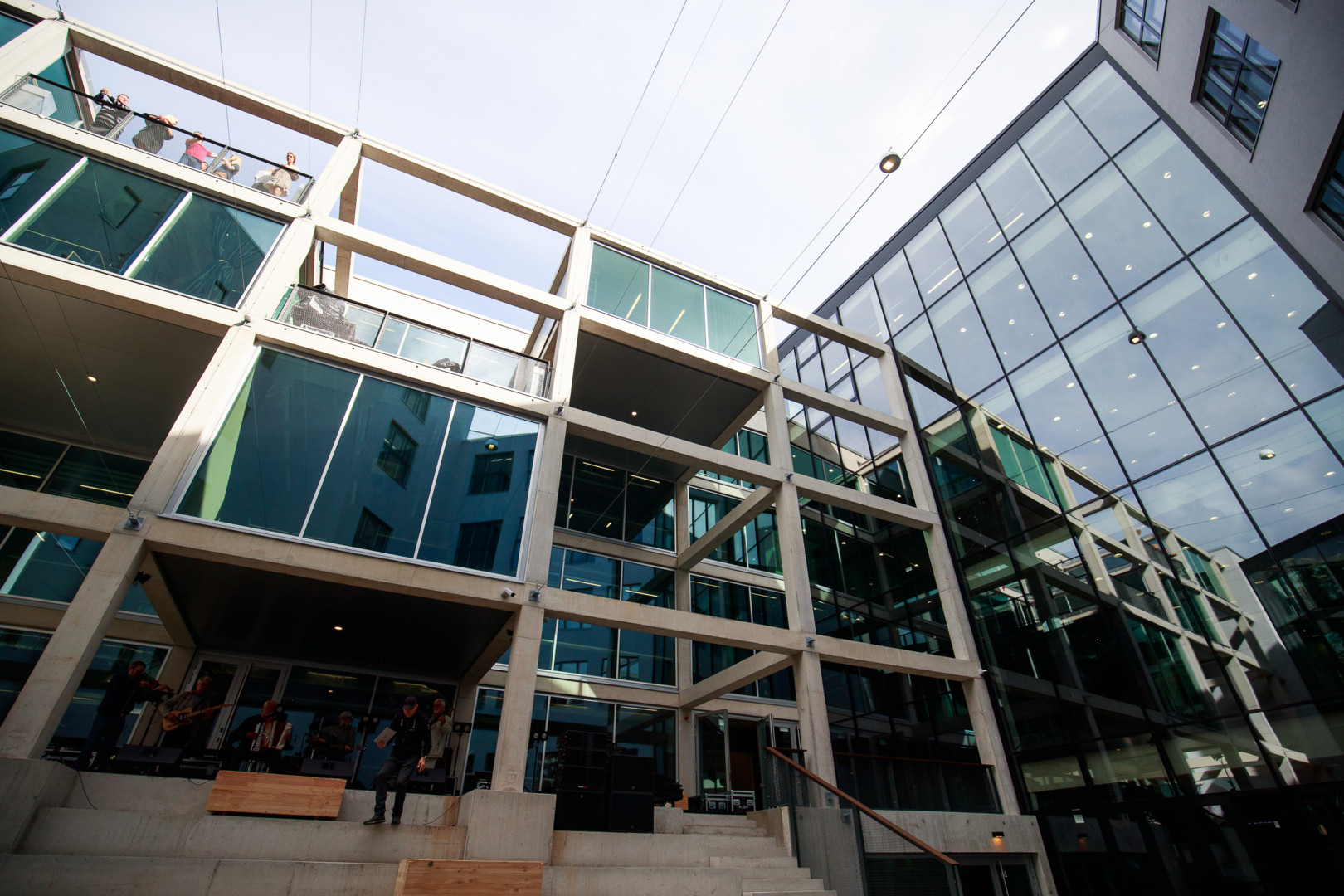
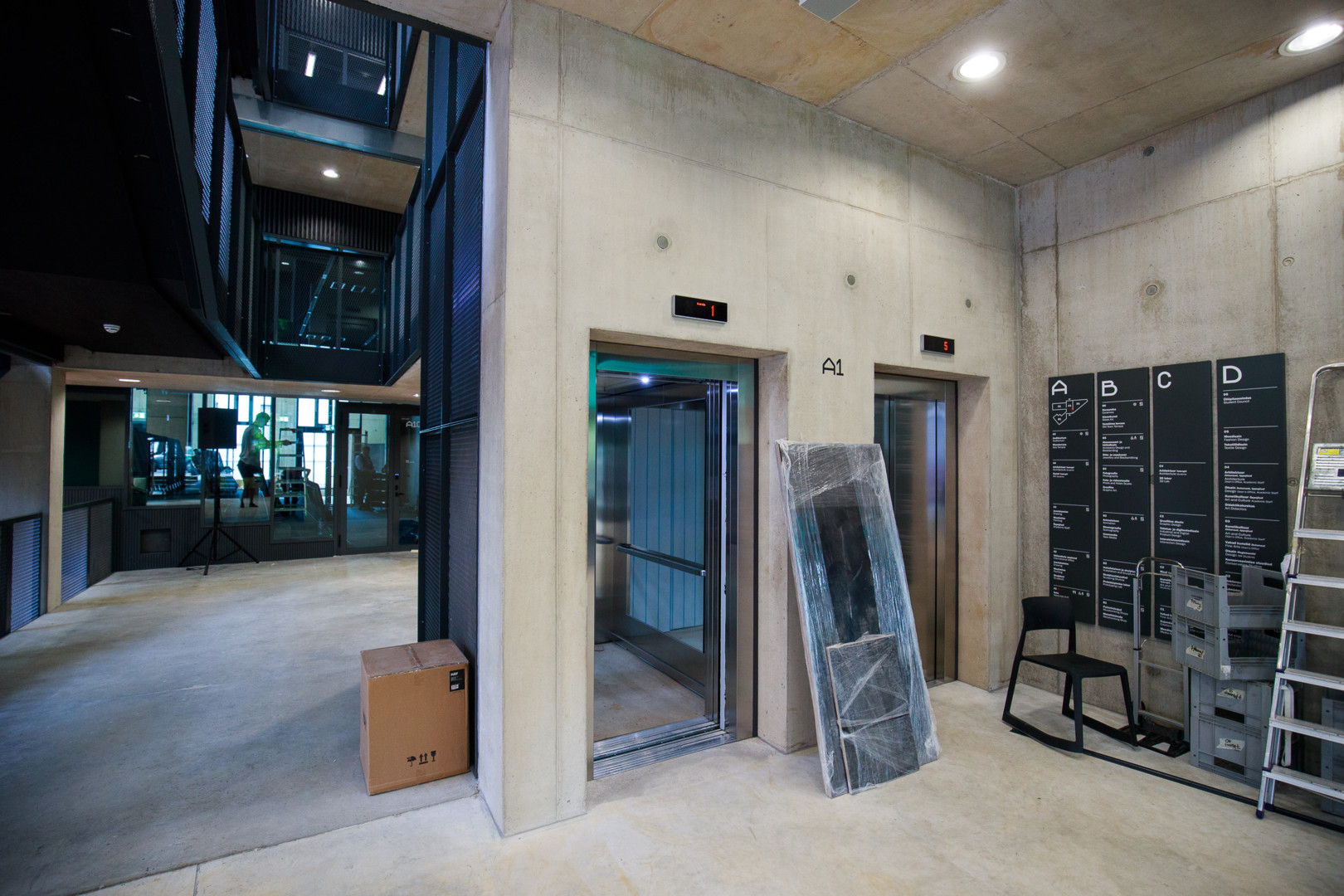
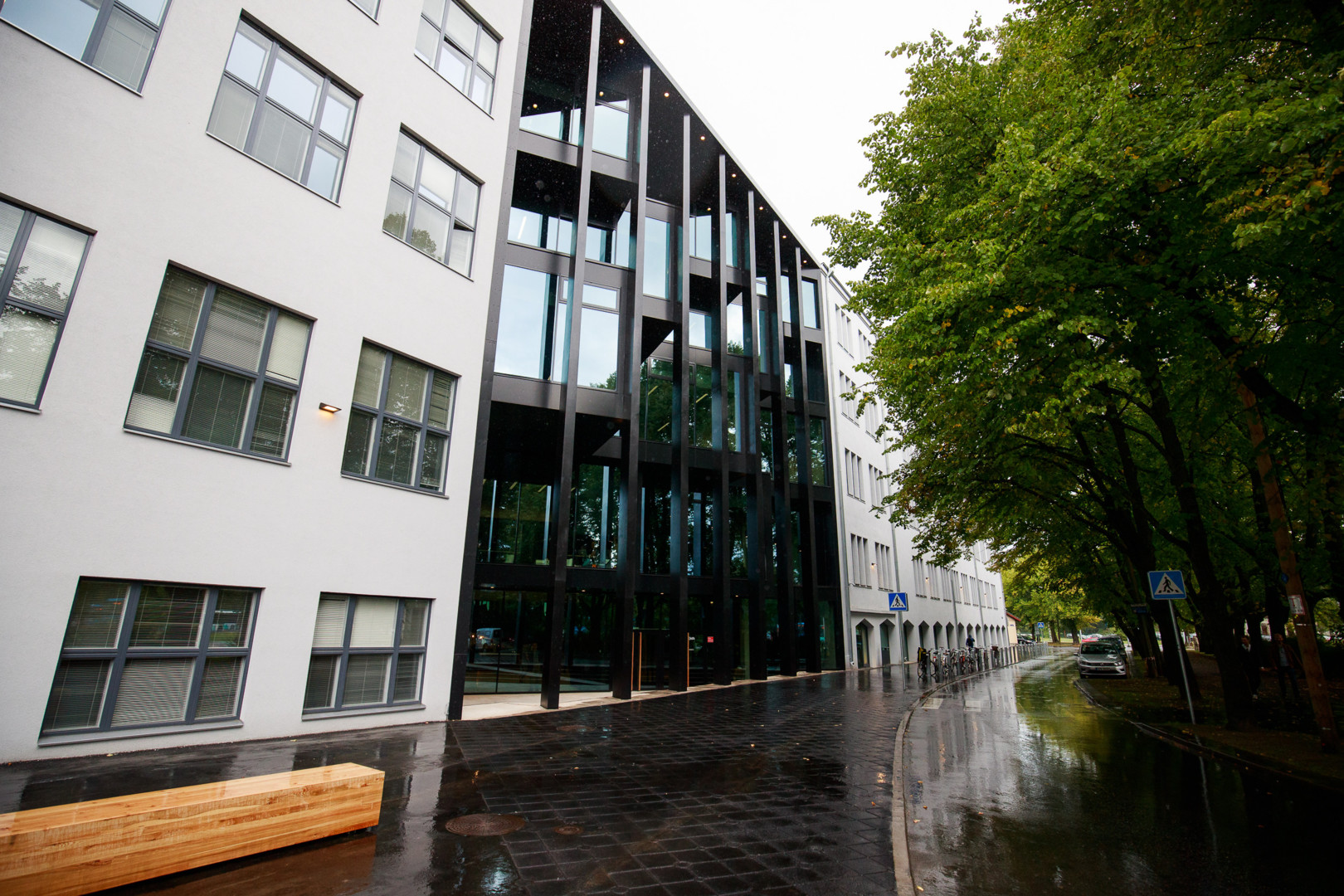
The Estonian Academy of Arts (Estonian Concrete Building of the Year 2018) is an example of Estonian concrete architecture at its best, with cast-in-place concrete and installation works done by Maru Betoonitööd: